Thinking about a Lake Gaston getaway that helps pay for itself? With steady summer demand and strong nightly rates, a well-chosen property in Gaston and greater Northampton County can be both a lifestyle win and a smart investment. The key is knowing how this lake market behaves, what rules apply, which amenities drive bookings, and how to underwrite costs with a clear ROI plan. In this guide, you’ll learn the essentials to buy, set up, and operate a vacation rental with confidence. Let’s dive in.
Why Lake Gaston works for STRs
Lake Gaston is a warm-season lake market where guests prioritize water access and outdoor time. Third-party market snapshots show average daily rates in the low-to-mid hundreds up to several hundred dollars per night depending on property class, with average occupancy in the ballpark of 50 to 60 percent for active listings. Treat these as directional comps rather than exact forecasts for any one home, since performance varies widely by features and location. You can review a summary of this pattern in the Lake Gaston market overview from Airbtics.
Seasonality is pronounced. Expect peak demand from late spring through summer with high weekend and holiday occupancy. Shoulder months soften, and winter bookings slow. Pricing tools and marketplace calendars reflect this cadence, so plan for strong ADRs in summer and lighter weekday demand in the off season. See this seasonal pattern across listings on Holidu’s Lake Gaston page.
Rules and taxes to confirm early
North Carolina rental agreements
North Carolina’s Vacation Rental Act (Chapter 42A) sets the ground rules for vacation rentals. Written agreements are required, and the statute covers how you handle advance payments, security deposits, and accounting. When you draft or review your lease package, make sure it aligns with the North Carolina Vacation Rental Act.
Local permissions in Gaston and Northampton County
North Carolina courts have limited how cities can run blanket short-term rental registries, which means many local governments lean on zoning, nuisance, parking, and noise rules instead. The takeaway for you is simple. Confirm current rules for your specific address with Northampton County and any applicable town or HOA before you buy. The state-level context is discussed in Schroeder v. City of Wilmington.
For taxes, North Carolina allows counties and municipalities to levy local room or occupancy taxes. Whether Northampton County or a nearby municipality currently imposes an occupancy tax, and at what rate, is jurisdiction specific. Platforms sometimes collect some taxes, but you may still need to register and remit. Start by confirming property tax and any room tax process with Northampton County’s tax administration contact resources.
Lake and shoreline rules, docks, and permits
Parts of Lake Gaston within Northampton County have defined boating and no-wake rules. As an owner or operator, you are responsible for following the North Carolina Administrative Code for lake safety and boating. Review the NC Administrative Code water safety rules for relevant sections of the lake. If you plan shoreline work or dredging, be aware that substantial dock work and dredging can trigger state and federal permits. Confirm riparian rights, any existing dock permit, and permit transferability during due diligence.
What drives bookings on Lake Gaston
Waterfront and dock access
On Lake Gaston, true waterfront with a private dock and safe boat access can command a meaningful premium in both ADR and occupancy. Guests prioritize being on the water, not just near it. That means listings with deeded water access, usable docks or slips, and a safe shallow swim area often outperform inland or water-view homes. Market data on amenity popularity and pricing supports this pattern across lake listings on Holidu.
Amenities guests expect
Features that consistently move the needle include:
- Multiple bathrooms and a full, modern kitchen
- A/C and reliable heating
- Strong cell service and high-speed internet
- Pet-friendly policies where feasible
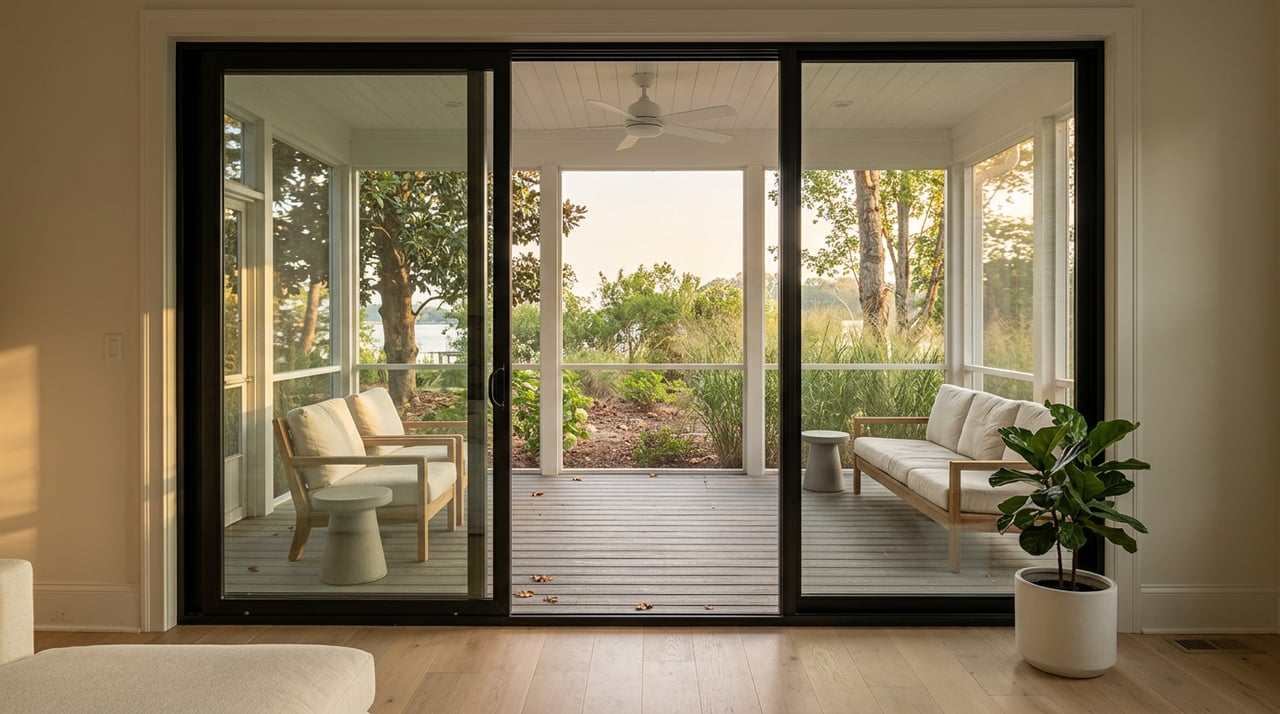
- Private outdoor spaces like a deck, screened porch, firepit, or grill
- Ample on-site parking
If a property is in a motor-boat area, confirm deeded riparian rights, HOA rules, and whether any dock permit is transferable. Being precise and transparent about what your home offers helps you set rates confidently and deliver a smooth guest experience.
Listing and hosting details that convert
Operational clarity turns lookers into bookers. Use professional photography that highlights your waterfront and outdoor living. Spell out boat and dock rules in simple language, store life jackets in a clearly labeled location, add safety signage, and provide guest-friendly instructions for parking and water safety. These small touches build trust and lead to better reviews and repeat stays. You can see common amenity filters and traveler expectations by browsing aggregated listings on Holidu.
Build your operating budget
Core recurring costs
Set your underwriting with conservative assumptions and confirm line items with quotes.
- Mortgage and financing. Your principal and interest will likely be the largest expense. Get a firm quote from your lender based on your down payment and credit profile.
- Property taxes. Verify the exact parcel assessment and rate with the county, since it can move your annual carry cost. Start with Northampton County’s tax resources.
- Insurance and liability. Platform programs like AirCover advertise host damage and liability protections, but they are not a replacement for a dedicated short-term rental or commercial liability policy, especially for waterfront homes with docks, pools, or hot tubs. Review what platforms cover and what they exclude on Airbnb’s AirCover overview, then get a written quote from an insurance agent who understands STRs.
- Property management. Full-service management typically runs about 10 to 35 percent of gross rental revenue, depending on services and market. Compare proposals and what each fee includes, from guest communication to maintenance coordination. See an overview of fee models on Hostex’s guide to management fees.
- Cleaning and turnover. Cleaning fees in the Lake Gaston area commonly range from about 50 to 150 dollars per stay depending on size and linens. If you pay more than you collect, the difference reduces net revenue. For local context, review ranges discussed on LakeGastonVacationHomes’ owner guide.
- Utilities and services. Budget for electricity, propane if used, high-speed internet, water and septic or sewer, trash, and streaming. Expect higher summer bills during peak occupancy.
- Maintenance and reserves. Short-term rentals see more wear than primary homes. Many investors budget 1 to 3 percent of property value annually for maintenance plus a capital reserve for roofs, HVAC, dock work, and shoreline items.
- Septic and well. Many Lake Gaston homes use septic. The EPA recommends inspections every one to three years and pumping every three to five years, with service costs typically in the low to several hundred dollars depending on tank size and region. Review the EPA’s septic guidance and build a maintenance plan into your pro forma.
A quick ROI model
- Start with a simple revenue estimate: Gross revenue is average daily rate times 365 times occupancy. Market snapshots suggest planning around 50 to 60 percent occupancy and ADRs that vary by amenity and size. See directional ADR and occupancy context in Airbtics’ Lake Gaston overview.
- Subtract platform fees, management, average cleaning and supplies per stay, property tax, insurance, utilities, routine maintenance, and a capital reserve.
- Stress test with conservative scenarios, such as 10 percent lower ADR and 20 percent lower occupancy, and check that you can cover debt service with a vacancy buffer.
Example only. If ADR is 500 dollars and occupancy is 55 percent, your gross is about 100,500 dollars. After fees, cleaning, taxes, insurance, utilities, and reserves, many owners choose to hand off operations to a manager once the cash flow pencils under these assumptions. Replace placeholders with actual quotes to decide whether a specific home works for you.
Due diligence steps in Gaston
Use this checklist before you make an offer:
- Confirm legal ability to operate a short-term rental at the address, including county zoning, any town rules, and HOA covenants. Get clarity in writing when possible.
- Request the seller’s last 12 to 24 months of booking history and P&L. If they used multiple channels, ask for calendar exports and revenue by channel. Public market pages like Airbtics can provide directional comps, but property-level history is best.
- Verify deeded riparian and dock rights, any easements, and whether a dock permit exists and can transfer. Ask for recorded plats and prior permit documents.
- Inspect major systems and capacity: roof, HVAC, electrical, plumbing, hot-water supply, well quality, septic age and last pump or inspection, and any shoreline erosion history. Match findings to a five-year repair and capital plan. Use the EPA’s septic intervals as a maintenance baseline.
- Obtain an insurance quote for a policy that explicitly covers STR use and water amenities. Compare limits and exclusions against what platforms advertise on AirCover.
- Confirm property taxes and whether any local room or occupancy tax applies, including registration and remittance steps, through Northampton County’s tax contacts.
- Review HOA documents for rental caps, parking limits, dock or boat rules, and insurance requirements. Ask for statements in writing.
- Measure on-site parking and plan neighbor-friendly guest policies for noise and trash.
- Interview two to three local property managers and compare service lists, fees, references, and cleaning pricing. Ask about response times and linen programs.
- Build a year-round P&L with conservative ADR and occupancy, include capex and vacancy buffers, and run downside scenarios before you finalize an offer.
When to bring in experts
- Real estate attorney. Engage one before closing if zoning, HOA rules, or dock rights are unclear, or if you see any sign of enforcement actions.
- Insurance broker with STR and waterfront experience. Confirm the right endorsements and liability coverage for docks, boats, pools, or hot tubs.
- Licensed septic and well contractor. Inspect, test, and get written cost and maintenance estimates.
- Marine or dock contractor. Evaluate dock condition, maintenance cycles, and permit compliance for any shoreline work you may plan.
- Local STR property manager. Ask for a marketable ADR range, likely occupancy by season, cleaning pricing, and a full services proposal.
- CPA or tax advisor. Model rental income, depreciation, and any required sales or occupancy tax registrations and filings.
Seasonality and pricing tips
- Front-load peak season. Open summer calendars early, set minimum stays for holiday weekends, and review rates weekly as calendars fill.
- Offer weekday value in shoulder months. Target couples or remote workers with lower midweek rates and longer-stay discounts.
- Highlight water access and pet policies. Make your dock, swim area, and parking details crystal clear, and be upfront about any pet rules and fees.
- Refresh visuals annually. Update photos to reflect any improvements, and capture shoreline, dock, and sunset views in prime light.
Next steps
If you are comparing listings around Gaston in Northampton County, start with the legal ability to rent, then validate dock rights and septic health. Underwrite with conservative ADR and occupancy, layer in full operating costs, and pressure test your cash flow. With the right plan, you can enjoy the lake and let bookings carry part of the load.
Ready to vet a property or build a tailored underwriting model for Lake Gaston? Schedule a conversation with Neal Anderson to map the path from offer to guest-ready.
FAQs
What occupancy rate should I model for a Lake Gaston rental?
- Market snapshots suggest many active listings land around 50 to 60 percent occupancy on average, with stronger summer demand. Underwrite conservatively and confirm with property-level history when available.
Do I need a written lease for short stays in North Carolina?
- Yes. North Carolina’s Vacation Rental Act requires a written agreement and sets rules for advance payments, deposits, and accounting. Use compliant documents and review the statute before you host.
How do local taxes work for a Gaston, NC vacation rental?
- North Carolina allows local occupancy taxes, which vary by jurisdiction. Platforms may collect some taxes, but you may still need to register and remit. Confirm current steps with Northampton County’s tax administration.
Which amenities most increase bookings on Lake Gaston?
- True waterfront with a private dock, safe swim access, multiple bathrooms, high-speed internet, pet-friendly policies, and good parking consistently improve ADR and occupancy compared to inland options.
What should I budget for management and cleaning?
- Full-service management often ranges from about 10 to 35 percent of gross revenue depending on services. Cleaning fees commonly run about 50 to 150 dollars per stay based on size and linen handling.