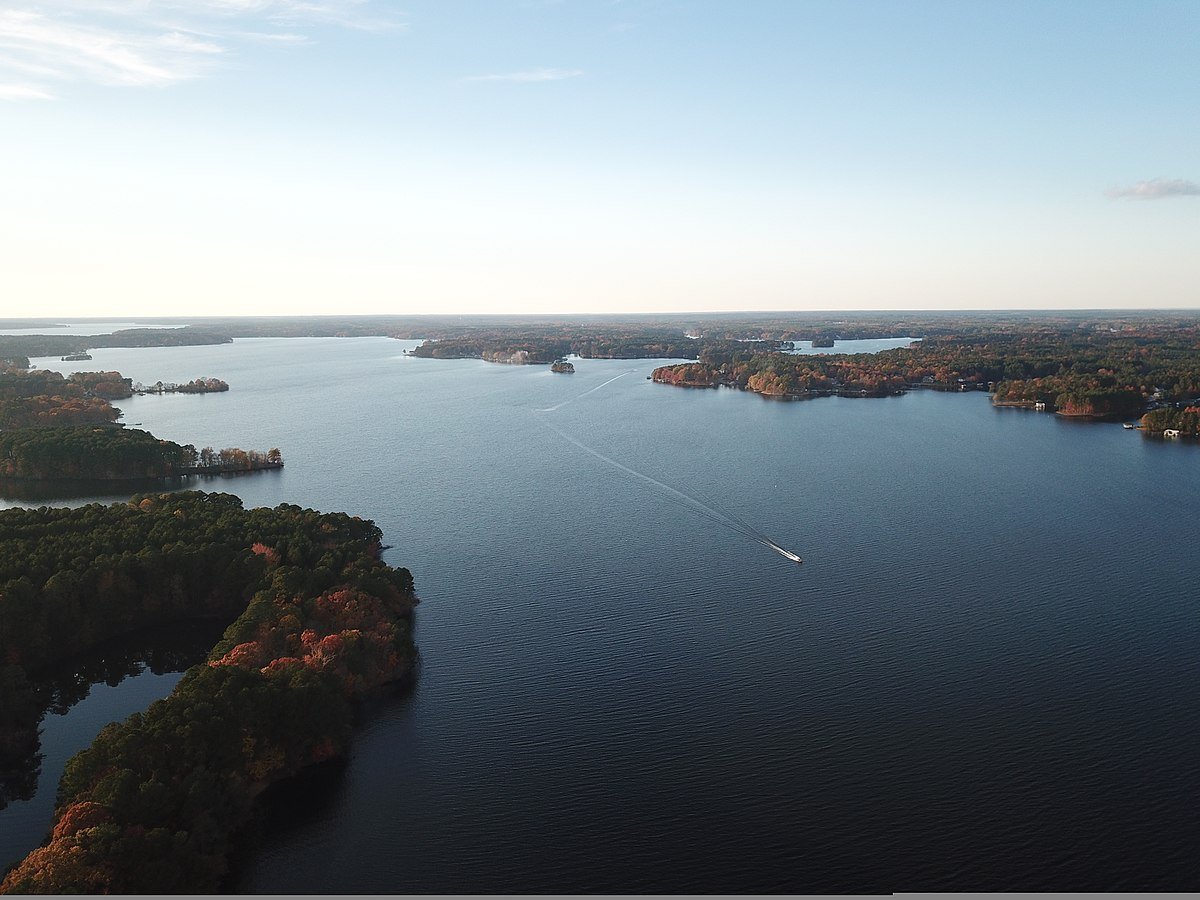
Weekend sunsets on Lake Gaston are easy to picture. The financing to get you there can feel less clear. If you are eyeing a second home in at Lake Gaston or in and around Northampton County, Warren County or Halifax County, the loan you choose, the down payment you plan, and the documents you gather will shape your timeline and total cost. In this guide, you will learn how lenders classify second homes, what numbers they look for, the Lake Gaston factors that can affect approval, and a simple step-by-step plan. Let’s dive in.
Decide your use first
Before you talk numbers, decide how you plan to use the home. That one choice drives your loan options and terms.
- If you will personally occupy the home for weekends or seasonal use, and you will not operate it as a short-term rental, a conventional second-home loan is the usual fit.
- If you expect to rent the property regularly or market it for short-term stays, lenders will treat it as an investment property with different requirements.
- If the price is above the conforming loan limit, you may need a jumbo or portfolio loan.
- If you have complex income or assets, a portfolio lender can offer flexibility.
Also check HOA or community rules. Rental restrictions can affect how lenders classify the property and which loan type fits.
Loan options at Lake Gaston
Conventional second-home loans
These loans finance a property you will use personally. Underwriting looks similar to a primary residence with a few tighter guidelines. For Lake Gaston buyers within a few hours of Raleigh, this is often the cleanest path when the home is not run as a rental.
Common traits include modestly higher rates than a primary home, stronger credit expectations, and reserve requirements. Lenders also look for your clear intent to use the home as a personal getaway.
Investment property loans
If you plan to rent the home regularly, expect higher down payments, higher interest rates, and more reserves. Some lenders will review projected rental income. This path fits buyers who intend to operate the property as an income asset, including many short-term rental plans.
Jumbo and portfolio loans
When your loan amount exceeds the conforming limit, you enter the jumbo market. Many jumbo second-home loans require 20 percent or more down. Portfolio lenders may keep loans in-house and can help if you have self-employed income, nontraditional assets, or unique occupancy plans.
DSCR and investor cash-flow loans
Debt service coverage ratio loans look at property cash flow rather than personal income. These can be useful if your primary goal is running the home as a rental. They are different from second-home financing and usually come with investor-style pricing.
Government loans
FHA and VA loans are designed for primary residences. USDA has area rules and primary-use rules. These programs are usually not available for a Lake Gaston second home.
What lenders look for
Credit score and DTI
For a second home, many lenders prefer credit scores of 700 or higher, though some will consider mid 600s with strong compensating factors. Typical debt-to-income maximums land around 45 to 50 percent when you have a solid profile. Investment loans may be stricter.
Down payment and reserves
- Second home: plan for 10 to 20 percent down. Many lenders prefer 15 to 20 percent, depending on credit and reserves.
- Investment property: plan for 15 to 25 percent down or more, especially if you already hold multiple financed properties.
- Jumbo: often requires 20 percent or more down for second homes.
- Reserves: second homes often require 6 months of PITI in cash reserves. Investment loans often require 6 to 12 months or more.
- Gift funds: some lenders allow gifts for second homes. Policies vary, so confirm early.
Rates and pricing
Second-home rates usually carry a small premium over primary homes. Investment-property rates are higher and can include additional pricing adjustments. Jumbo and portfolio products vary by lender and market conditions.
Appraisals and waterfront comps
Lakefront homes need appraisers who understand shoreline value, usable water access, and dock improvements. Limited local comps can add time and risk to the appraisal. Expect lenders to want a valuation that addresses lake features, flood risk, and shoreline use.
Lake Gaston property factors
Flood risk and insurance
Some waterfront parcels may sit at or near flood zones. Your lender will order a flood determination. If the property is in a Special Flood Hazard Area, flood insurance will be required. That is usually not the case but even outside those zones, some lenders may require or recommend flood coverage on waterfront homes. Factor possible premiums into your monthly costs.
Docks, shoreline, and access
Boathouses, piers, and shoreline improvements will need county or lake-authority permits (Dominion). Confirm that any existing dock is permitted, that the right to use or maintain it transfers with the sale, and whether lenders view it as a permanent improvement. Some properties have riparian easements or shared dock agreements that affect value and use.
Septic systems and wells
Most Lake Gaston homes rely on septic systems but may have wells or county water. Lenders often require proof of permitted systems and may ask for septic and well inspections. The Northampton County, Halifax County, and Warren County Health Departments manage permitting. Request any permits, maintenance records, and inspection reports early.
Insurance and wind exposure
Eastern North Carolina has wind and hurricane exposure. Carriers may require separate wind or hail coverage or charge higher premiums. Budget for this and consider an umbrella policy if it fits your risk plan.
HOA, POA, and covenants
Some communities have rules on rentals, boathouses, and exterior maintenance. These rules can affect whether your loan is classified as a second home or an investment. Ask for covenants, meeting minutes, and current dues as part of your documentation.
Your financing game plan
Step 1: Clarify occupancy and budget
Decide if your use is personal second home or income investment, then price out both paths if you are unsure. Set a target payment that includes taxes, insurance, flood, HOA dues, and boathouse upkeep.
Step 2: Secure a written pre-approval
Obtain a pre-approval letter using current income and asset documents. Many lenders can issue this within 24 to 72 hours. Ask them to specify expected down payment, reserve requirements, and any overlays for waterfront properties.
Step 3: Gather borrower documents
- Two years of federal tax returns
- W-2s or 1099s and recent 30-day pay stubs
- Two to three months of bank and asset statements
- Photo ID and Social Security number
- Letters of explanation for large deposits, gaps in employment, or recent asset transfers
Step 4: Collect property documents early
- Recent property tax bill and parcel number
- Septic permit and maintenance records; any inspection report
- Well log and water quality report if available
- Survey or plat with easements
- HOA or POA rules, dues, and minutes if applicable
- Boathouse permits, shoreline easements, and any lake-authority leases (Dominion).
- Any available flood elevation certificate
Step 5: Write a financeable offer
Include a financing contingency and time for appraisal and inspections. Waterfront appraisals can take longer than standard single-family homes.
Step 6: Appraisal and underwriting
Plan for 2 to 3 or more weeks for appraisal and underwriting, depending on lender capacity and the availability of lakefront comps. Be ready to document reserves and address any septic, well, flood, or dock conditions.
Step 7: Close with a clean file
Your lender will need an insurance binder and proof of flood insurance if required. Title work should confirm any shoreline easements and boathouse rights. Allow time for any municipal or lake-authority approvals tied to docks or shoreline improvements.
Timing for Raleigh buyers
Spring is a peak season for Lake Gaston properties. Start your pre-approval in late winter, about 2 to 3 months before you plan to shop. Waterfront homes can sell quickly, so having documents and reserves ready helps you move fast when the right lot or view hits the market.
Avoid common pitfalls
- Misclassifying the property’s use and triggering the wrong loan type
- Underestimating flood or wind insurance costs if applicable
- Skipping verification of boathouse permits or transfer of dock rights
- Overlooking septic capacity, well testing, or past maintenance
- Assuming government loans work for second homes when they often do not
- Forgetting that reserves can be a deciding factor
Work with a Lake Gaston advisor
Buying at the lake blends lifestyle and technical detail. You want an advocate who understands docks, flood, wells and septic, plus the paperwork and timing lenders expect. Lake to Coast Real Estate pairs negotiation and construction know-how with a fiduciary approach, so you can focus on the weekends ahead while we help you navigate the details.
If you are ready to map your financing path and shop confidently in Northampton County, Halifax County or Warren County, connect with Neal Anderson to Schedule a Consultation.
FAQs
Can I use FHA or VA for a Lake Gaston second home?
- Generally no. FHA and VA are intended for primary residences and usually cannot finance a second home.
What down payment do I need for a second home near Gaston, NC?
- Plan for 10 to 20 percent down for a conventional second home, and 15 to 25 percent or more for an investment property.
Will my lender require flood insurance on a Lake Gaston home?
- If the FEMA determination shows a Special Flood Hazard Area, flood insurance is required, and some lenders require it on waterfront homes even outside those zones.
How do boathouses and shoreline rules affect financing?
- Lenders and appraisers look for permitted boathouses, transferable use rights, and stable shoreline conditions, which can affect value, insurability, and loan conditions.
How far in advance should a Raleigh buyer start pre-approval for spring inventory?
- Start in late winter, about 2 to 3 months before peak season, since waterfront appraisals and underwriting can take longer.
What reserves do lenders want for a Lake Gaston second home?
- Many lenders require about 6 months of PITI in reserves for a second home and 6 to 12 months or more for investment properties.